Tree Removal Specialists Stillwater
Choose a qualified Stillwater arborist who shows ISA/TRAQ credentials, active general liability and workers' comp, and proven ANSI Z133/A300 compliance. Look for written job hazard analyses, PPE and equipment inspection logs, and site-specific traffic/drop-zone controls. Services need to cover objective pruning, controlled removals with rigging plans, targeted cabling, and ISA-based pest diagnostics with calibrated thresholds. Request seasonal maintenance programs, post-service reporting, and immediate emergency response with utility coordination. You'll learn how to lower risk, safeguard assets, and extend tree longevity below.
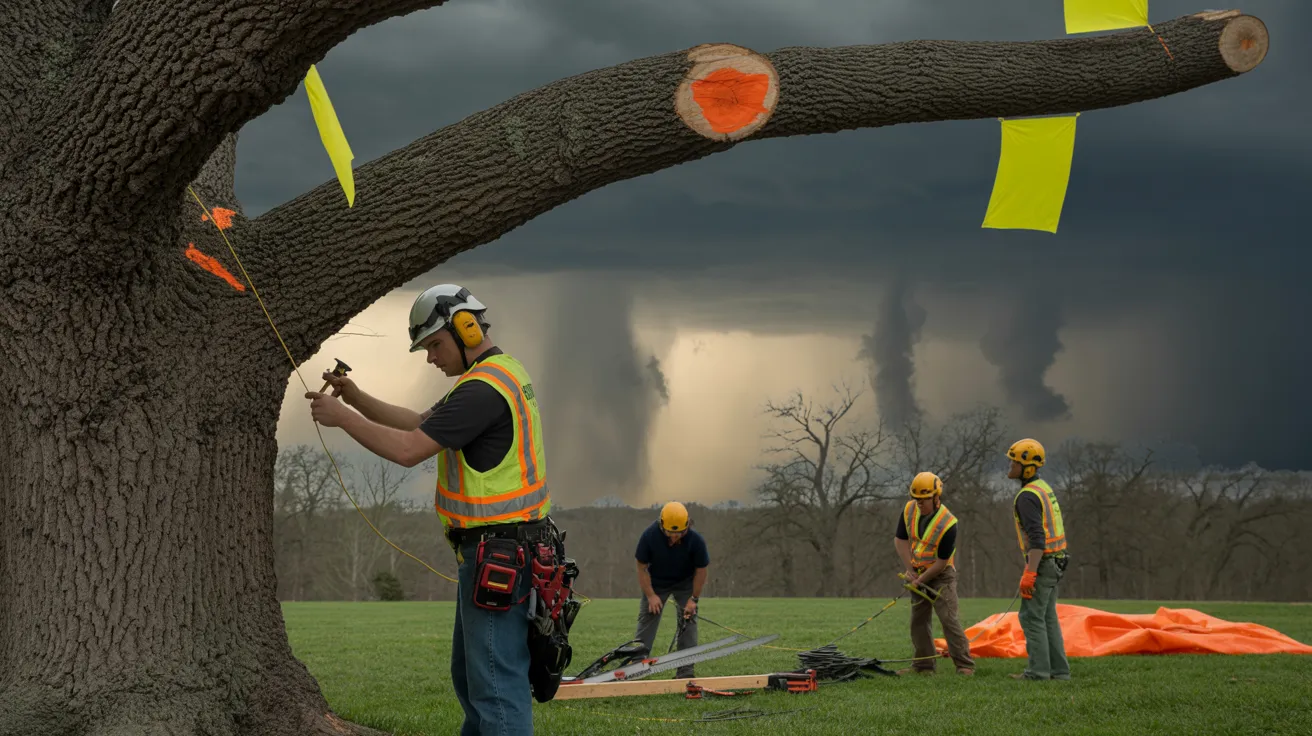
Main Insights
- ISA-certified and TRAQ-qualified arborists maintaining full liability and workers' compensation and complying with ANSI Z133/A300 protocols for reliable, code-compliant services in Stillwater.
- Expert branch trimming utilizing precise pruning methods, detailed rigging plans, and designated drop zones to safeguard homes and structures and utilities.
- Preventive maintenance programs: seasonal assessments and inspections, soil analysis and testing, pest surveillance and monitoring, and specialized nutrient management to maximize tree wellness and lifespan and reduce ongoing maintenance costs.
- Evidence-based treatment approach: utilizing lab verification, advanced diagnostic tools as needed; complete documentation provided with photographs, GPS locations, and detailed post-service reports.
- round-the-clock emergency services with specific response times, utility-aware cleanups, secure stabilization procedures, and clear communication every step of the way.
Understanding Professional Standards and Safety Measures
While tree work may appear straightforward from below, selecting an arborist with appropriate certification, insurance, and established safety standards helps safeguard your property, potential liabilities, and team protection. Make sure to check licensed credentials, current insurance coverage, and workers' compensation before operations start. Certified arborists adhere to industry standards such as ANSI Z133 for safety and ANSI A300 for tree care, which minimize accidents and prevent avoidable damage. Ask for written job hazard analyses, PPE requirements, and verification of equipment inspection logs. Verify chainsaw, aerial lift, and rigging competencies, as well as documented emergency response plans. Demand site-specific traffic and drop-zone controls. When you verify these factors, you lower risk, guarantee code-compliant operations, and preserve trees and structures with consistent quality.
Professional Tree Care Services: Pruning, Removal, and Cabling Solutions Customized for Your Landscape
Our professional, insured specialists follow ANSI-compliant protocols to ensure superior tree maintenance work, including pruning, removal, and structural cabling specifically designed for your unique site and species. Our pruning approach focuses to achieve specific objectives: proper clearance, structural strength, and hazard reduction, employing crown thinning techniques that decrease sail effect without lion-tailing, while protecting proper live crown ratio and correct branch collar cuts. Removal projects are carefully staged with comprehensive rigging plans, proper friction devices, and marked drop zones to prevent shock loads and safeguard infrastructure, ground surfaces, and building foundations. We provide thorough pre-job hazard evaluations and thorough post-job cleanup.
In cases of weak unions, lengthy lever arms, or co-dominant stems, we utilize dynamic cabling and selective bracing to redistribute loads while maintaining natural movement. Components are selected based on species and span; anchors are set to manufacturer torque requirements, monitored periodically, and logged for lifetime monitoring.
Early Detection of Diseases and Pests: Preventing Serious Damage
Because early intervention preserves the tree canopy, your budget, and overall safety, we combine systematic inspections with advanced diagnostic tools to catch issues before they escalate. You receive early warning through scheduled tree examination, trunk sounding, and root system assessment to detect stress markers before visible deterioration begins. We confirm our field observations using laboratory analysis for diseases, nutrient imbalances, and soil-related problems, making sure solutions match identified problems.
We deploy monitoring systems and pheromone lures to flag borers and bark beetles at initial infestation levels, then schedule treatments to disrupt their life cycles. You'll see how carefully calculated thresholds direct our actions-incorporating sanitation pruning, soil amendments, natural controls, or labeled treatments-administered with PPE and drift reduction. We record measurements, locate hotspots, and monitor after interventions, allowing you to lower risk, protect assets, and maximize tree health.
Storm Preparation and Emergency Response for Stillwater Properties
We recommend you book tree evaluations before storms to detect structural defects, root instability, and canopy imbalances using ISA standards. According to the assessment results, we'll execute preventive tree trimming to minimize wind resistance, remove poorly connected limbs, and clear potential impact areas. If extreme conditions occur, you can count on our 24/7 emergency response for swift risk removal, safe removals, and power line conscious cleanups.
Storm Preparation Tree Evaluations
Before severe weather hits Stillwater, a comprehensive pre-storm tree evaluation detects hazardous conditions and structural concerns that might result in damage under storm conditions including wind, rain, and ice. We provide systematic branch examinations to locate weak spots, poor connections, dead material, and overextended branches. We assess crown balance, weight distribution, and clearance from buildings and power lines. For the trunk, we investigate cavities, rot, fungal growth, splits, and old pruning sites. To assess root stability, we investigate root problems, decay at the base, soil movement, and insufficient root depth, using specialized equipment when necessary.
We assess and log species-specific windthrow patterns and evaluate latest environmental impacts and soil water retention issues. You'll be presented with comprehensive results along with photographs, severity assessments and practical timeframes, as well as priority safety recommendations for structural support options including cabling, bracing, and temporary supports and property upkeep needs.
Risk Mitigation Pruning
Findings from the pre-storm evaluation directly inform risk mitigation pruning: selective cuts which minimize wind resistance, balance load distribution, and eliminate vulnerable branches before winds escalate. You'll prioritize structural pruning that follows species-specific response and ANSI A300 standards. Use selective thinning to increase air flow 10-20%, maintaining inner branches to prevent lion-tailing and preserve damping. Apply crown reduction only where branch weight and leverage cause significant stress; favor reduction cuts to laterals with minimum one-third diameter of the removed section.
We'll eliminate damaged, broken, and crossing limbs, trim excessive branch leaders, and remove poorly connected competing stems with strategic reduction and subordination pruning. Establish safe distances from buildings, lights, and utility lines while preserving branch collars. Finish with clean cuts, disinfected tools, and debris removal.
Emergency Service Available 24/7
When severe weather hits Stillwater, put into action a structured emergency tree response plan that prioritizes personnel protection, infrastructure, and area containment. Set up control, identify risk zones, and secure energized lines before moving forward. Adhere to ANSI Z133 guidelines: don PPE, maintain exclusion zones, and log all conditions. Evaluate trees by failure potential, impact significance, and approach routes. For critical stabilization, employ cribbing, straps, and guying to reduce movement and prevent secondary strikes. Work with utility dispatch before making any cuts near conductors.
Begin rapid removal only after you have confirmed loads and escape paths. Utilize step-cuts, relief kerfs, and mechanical advantage to manage bind and twist. Position tarps and erosion prevention measures to protect the soil. Post-action, assess tree crowns, root plates, and ground stability, then schedule maintenance cuts and monitoring.
Cost-Effective Maintenance Strategies for Long-Term Savings
Establish a systematic tree maintenance strategy that targets minimizing hazards and controlling expenses. You will minimize incidents by matching seasonal inspections with analytics-guided maintenance schedules, soil evaluation, and precise fertilization programs. Evidence shows systematic crown maintenance minimizes storm damage potential, while calibrated clearance pruning minimizes infrastructure interference and risk exposure.
Create a documented schedule for: spring hazard evaluations, summer insect surveillance, fall structural pruning, and winter dormant operations. Link each activity to specific metrics like DBH, defect ratings, and pest levels to focus on high-risk trees. Add budget projections to distribute costs evenly and avoid emergency expenses. Schedule periodic mulch measurements, irrigation reviews, and root collar analysis to prevent structural issues and decay. Document observations, photographs, and location data. With time, you'll observe decreased removals, improved safety, and reduced care costs.
Finding the Right Local Arborist for Long-Term Tree Wellness
While pricing is a factor, you need to assess a local arborist based on their credentials, safety measures, and diagnostic abilities that safeguard trees and people over decades. Request ISA certification, TRAQ credentials, and proof of ANSI Z133 compliance. Check the provider's written job hazard analyses, PPE standards, and detailed rigging plans for complex removals. Request soil testing, resistograph or sonic tomography for decay assessment, and targeted treatment plans.
Emphasize community reputation and local experience through testimonials, case studies, and references. Confirm insurance coverage and past incident records. Review customized consultations featuring specific targets, photo documentation, and service timeframes. Require transparent work outlines, local flora understanding, and strategic planting advice. Review extended warranties linked to maintenance plan compliance. Request straightforward communication methods, comprehensive post-work reports, and urgent care protocols with clear time commitments.
Common Questions
How Do Arborists Minimize Noise and Disruption During Visits
Professional tree services limit disruption and noise by arranging work during optimal hours for quiet operations. Teams notify neighbors and plan efficient access routes to prevent bottlenecks. Gear is selected emphasizing quieter options: electric chainsaws, hydraulic pole pruners, and hand tools when possible. Crews maintain equipment in top condition by pre-sharpening chains, minimizing idle time, and processing debris at alternate locations. They implement protective protocols like surface guards, safety observers, and organized signal systems to ensure protection while completing work quickly.
What Natural Solutions Are Available for Tree Maintenance?
There are several green approaches to tree care. Apply organic fertilizers with slow-release nitrogen to improve soil biology and reduce runoff. Deploy beneficial insects, like lady beetles and lacewings, for targeted pest management. Apply horticultural oils and insecticidal soaps carefully to reduce non-target impacts. Think about trunk injections of low-toxicity actives to concentrate treatment. Use mulch, compost teas, and biochar to improve root health. Be sure to calibrate equipment, follow labels, and observe outcomes to ensure safety and efficacy.
Can You Resolve Tree Property Line Issues?
Yes. Imagine a property line layout illustrating boundary lines, tree positions, canopy coverage, and root distribution. We provide boundary mediation based on legal requirements and ISA Best Management Practices (ISA BMPs). I coordinate a licensed surveyor to document boundaries, catalog trees, and evaluate read more hazards. I provide comprehensive assessments, propose appropriate solutions like pruning or root barriers, and calculate appraised value for damage claims. I prioritize safety, documentation, and neighbor communication to manage exposure and facilitate resolution.
How Are Project Estimates Calculated and Detailed?
You'll receive quotes according to a comprehensive site inspection, risk rating, and project parameters. We evaluate tree count, dimensions, site limitations, tool requirements, and waste management. The labor estimate accounts for professional team time, climbing or crane operations, and safety requirements per ANSI Z133. Supplies, authorizations, road management, and waste removal are listed as separate items. Travel charges, equipment deployment, and stump removal are broken out separately. We factor in allowances for environmental conditions. You'll find itemized pricing, complete pricing, and timeline estimates.
Can You Help With Tree Species Selection?
Yes, we provide careful guidance with thorough attention. We'll provide tree variety suggestions tailored to your goals after site selection, soil analysis, and microclimate analysis. We'll evaluate drainage, pH, compaction, growing zone, disease risks, and infrastructure spacing to reduce potential problems. I'll prioritize resilient framework, drought and disease resistance, and proper location selection to safeguard property. You'll get installation guidelines, spacing recommendations, root system management, and care timelines to promote healthy development and reduce potential issues.
Wrapping Up
You deserve trees that prosper, not simply endure. With a licensed, bonded arborist, you get professional tree pruning and secure tree removal, with correct cabling based on load calculations-not guesswork. Early diagnostics catch insects and infections before they worsen. Storm preparation pruning minimizes wind resistance and decreases strike hazards; rapid deployment restores access fast. A proactive maintenance plan minimizes overall costs. Choose a Stillwater expert who maintains detailed reports, ensures safety equipment, and adheres to sample protocols-because in this era of information, safety and evidence rule.